
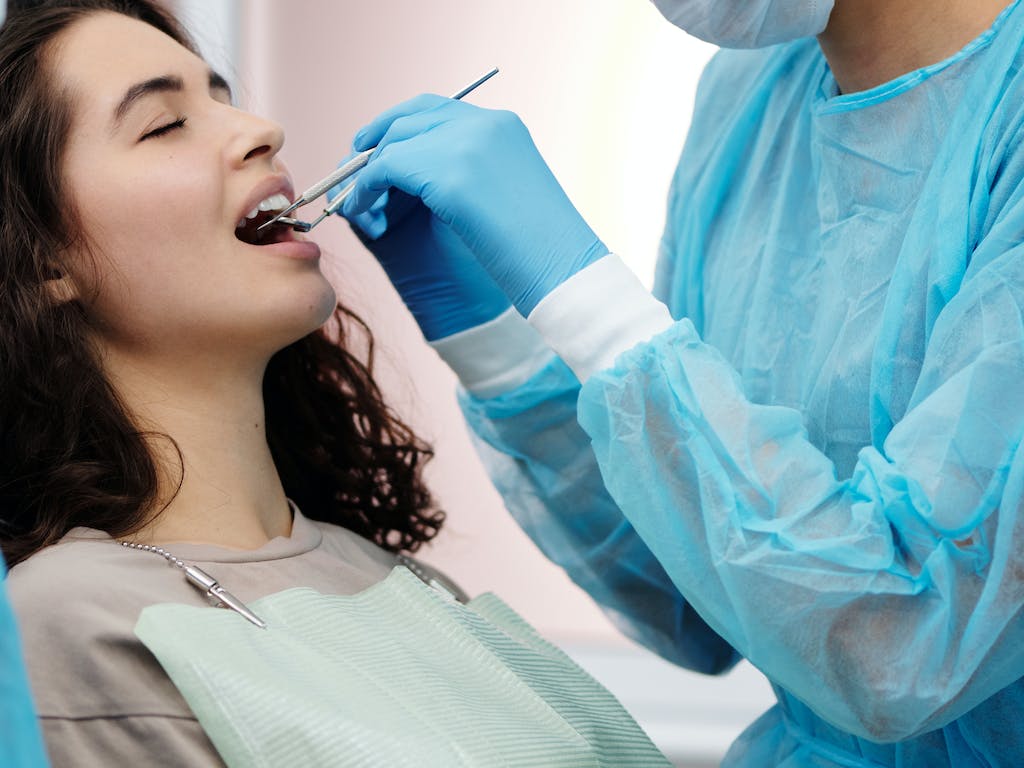
Cavities are a common dental problem, but they are also one of the most preventable. Taking good care of your teeth doesn’t need to be complicated or expensive. Here are some simple tips that everyone can follow to keep cavities at bay.
Brush Regularly and Properly
The most effective way to prevent cavities is to brush your teeth at least twice a day. Use fluoride toothpaste, which strengthens the teeth and helps to prevent tooth decay. Be sure to brush for at least two minutes, reaching all surfaces of your teeth — the front, back, and top of every tooth. Using a soft-bristled brush can also help avoid damaging your gums and tooth enamel.
Floss Daily
Food particles and plaque can get trapped between teeth where your toothbrush can’t reach. Flossing once a day helps remove these particles and reduces the risk of cavities and gum disease. Be gentle to avoid harming your gums, and make sure to get the floss right down to the gum line.
Limit Sugary Foods and Drinks
Sugary foods and beverages are a primary cause of dental decay. When the sugar in these items combines with mouth bacteria, it forms an acid that attacks the enamel on your teeth, leading to cavities. Try to limit sugary treats, and when you do indulge, brush your teeth soon after to minimize the damage.
Eat Tooth-Friendly Foods
Just as some foods can harm your teeth, others can help protect them. Cheese, milk, and other dairy products are high in calcium, which can strengthen your teeth. Crunchy fruits and vegetables like apples and carrots can help clean your teeth, and sugar-free gum can stimulate saliva production, which helps wash away food particles and acid.
Drink Plenty of Water
Water is not only great for your overall health, but it also helps keep your mouth clean. Drinking water throughout the day helps to remove food particles and maintain high saliva levels. Fluoridated water can also provide an extra layer of protection against cavities.
Visit Your Dentist Regularly
Regular check-ups with your dentist are crucial. They can spot early signs of cavities and other dental issues before they become serious problems. Your dentist can also provide professional cleanings that remove plaque and tartar buildup that regular brushing and flossing might miss.
Use Mouthwash
Antimicrobial mouthwashes can also help in the fight against cavities. They can reduce bacteria and plaque activity, giving you an extra level of protection. However, mouthwash should not be used as an alternative to brushing and flossing.