
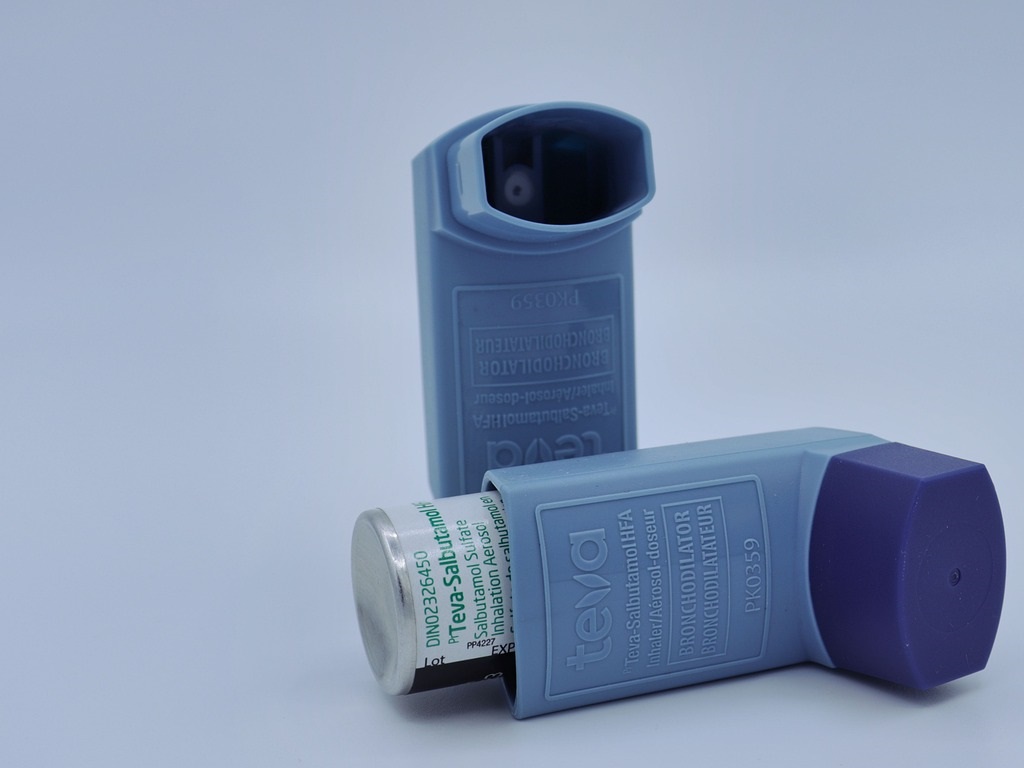
Asthma attacks can be frightening, but with proper management and preventative strategies, you can minimize their frequency and severity. An asthma attack occurs when the airways become inflamed and narrowed, making breathing difficult. Knowing how to prevent these attacks can greatly improve the quality of life for those with asthma. Here are some practical prevention strategies.
Understand Your Triggers
Every asthma patient has different triggers, and knowing yours is the first step in prevention. Common triggers include pollen, dust mites, pet dander, smoke, and cold air. Once you identify what aggravates your asthma, take steps to avoid those triggers. For example, if pollen is a problem, try to stay indoors on high pollen days and use air purifiers to keep indoor air clean.
Follow Your Asthma Action Plan
Work with your healthcare provider to develop an asthma action plan tailored to your needs. This plan should outline which medications to take daily to control asthma and what to do during an attack. Following your plan diligently helps maintain control over your asthma and reduces the likelihood of severe attacks.
Maintain Regular Health Check-ups
Regular visits to your healthcare provider are crucial. These check-ups help monitor the effectiveness of your current treatment and adjust it if necessary. Your doctor can also provide tips and advice on how to manage your asthma more effectively.
Keep Your Surroundings Clean
Minimize dust and other allergens in your home by cleaning regularly. Use a vacuum cleaner equipped with a HEPA filter and wash bed linens weekly in hot water. If you have pets, keep them out of your bedroom and off upholstered furniture to reduce exposure to dander.
Stay Healthy
General health maintenance plays a significant role in managing asthma. Exercise regularly to strengthen your respiratory system, but ensure your activity is asthma-friendly. Manage stress through relaxation techniques like yoga or meditation, as stress can trigger asthma symptoms.
Quit Smoking
Smoking aggravates asthma tremendously. If you smoke, quitting is one of the best things you can do for your asthma. Also, avoid exposure to secondhand smoke whenever possible.